Let us confront a massive misconception in the modern entrepreneurial landscape right now. When people search for information on making plastic straw at home, they frequently envision a rudimentary DIY kitchen craft involving melting toxic polymers in a household oven. We vehemently reject this dangerous and amateurish approach. Plastics extrusion is a precise, high-temperature mechanical engineering process. You cannot safely or effectively manufacture commercial-grade tubular profiles without specialized industrial equipment. If you are serious about entering the lucrative beverage packaging sector, making plastic straw at home means establishing a controlled micro-factory in a garage or workshop outbuilding.
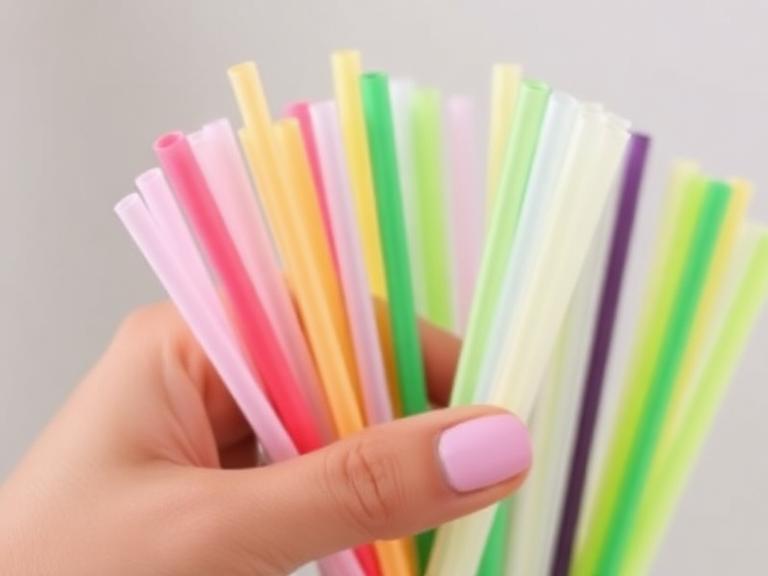
From our experience engineering advanced extrusion lines at Xjgmachine, we know that the global shift away from single-use petroleum plastics has created a massive market void. Independent manufacturers who can supply local cafes and restaurant chains with biodegradable PLA (Polylactic Acid) alternatives are reaping massive profit margins. However, executing this process requires absolute mechanical discipline. You must control thermal degradation, precise haul-off speeds, and rigorous vacuum sizing. Shrinking an industrial extrusion line down to a residential footprint is entirely possible, provided you respect the physics of polymer rheology.
In this uncompromising, expert-led guide, we will brutally dissect the 6 professional steps required for making plastic straw at home. We will outline the exact machinery you need, explain the thermodynamics of the extrusion barrel, and provide a definitive roadmap for turning raw polymer pellets into perfectly calibrated, consumer-ready beverage straws.
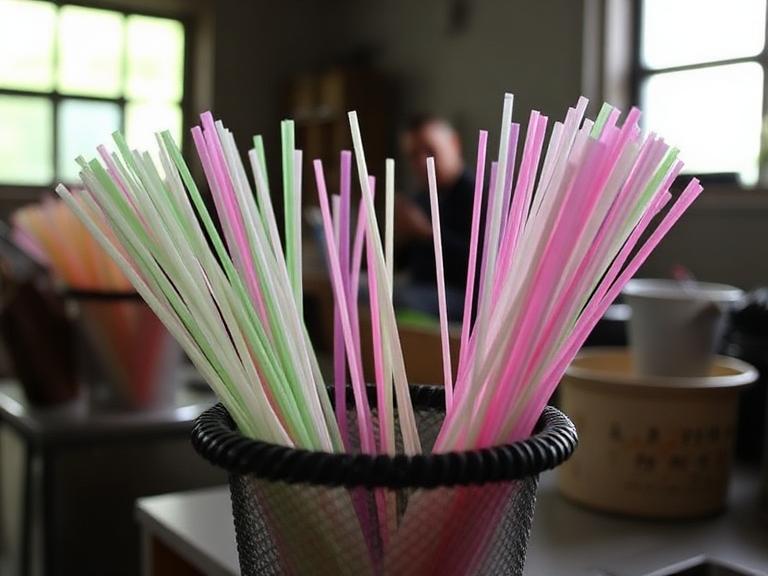
Before you purchase a single piece of equipment for making plastic straw at home, you must prepare your physical infrastructure. An extrusion line, even a compact one designed for small-diameter tubular products, requires significant electrical and environmental support. You cannot plug an industrial extruder into a standard 110V residential wall outlet. You will require a dedicated 220V or 380V 3-phase power supply, heavily dependent on your local municipal grid codes.
Furthermore, thermal processing of polymers releases volatile organic compounds (VOCs). While PLA is significantly safer than processing PVC or ABS, adequate industrial ventilation is a non-negotiable safety mandate. We recommend installing heavy-duty exhaust hoods directly above the extruder die head. Establishing a pristine, climate-controlled environment ensures that ambient temperature fluctuations in your garage do not negatively impact the cooling bath temperatures, which is a critical factor when making plastic straw at home with precise dimensional tolerances.
The business of making plastic straw at home is entirely dictated by your raw materials. Historically, Polypropylene (PP) was the undisputed king of the industry. It offers exceptional flexibility, high heat resistance, and a very wide processing window, making it highly forgiving for novice operators. However, global legislative bans on single-use PP are sweeping across modern markets.
We adamantly recommend that any new micro-manufacturer focus entirely on Polylactic Acid (PLA). PLA is a bio-based, compostable thermoplastic derived from fermented plant starch (usually corn). While it satisfies eco-conscious consumer demands, PLA possesses complex rheological properties. It is highly hygroscopic, meaning it absorbs moisture from the air. If you attempt the process of making plastic straw at home using damp PLA pellets, the moisture will boil inside the extruder barrel, causing steam bubbles that rupture the straw walls. You must invest in a highly efficient desiccant hopper dryer to bake the moisture out of the PLA pellets before they enter the feed throat.
You cannot hack together a straw manufacturing operation. You require a continuous extrusion line specifically calibrated for micro-tubular profiles. At Xjgmachine, we have engineered the definitive solution for this exact operational scale.
Deploying this specific machinery is the cornerstone of making plastic straw at home professionally. By utilizing a single-screw extruder with a high Length-to-Diameter (L/D) ratio, you ensure homogeneous melting and consistent pressure at the die head. The ability to integrate secondary co-extruders allows you to add the iconic colored stripes to the straws, which is a massive selling point for hospitality clients.
Once your dried PLA or PP pellets enter the hopper, the true mechanical process of making plastic straw at home begins. The pellets drop into the heated barrel and are pushed forward by the rotating auger screw. The barrel is divided into multiple independent temperature zones. The friction of the turning screw, combined with the external band heaters, subjects the polymer to immense thermomechanical shear.
You must meticulously control these temperature zones. If the heat is too low, the polymer will not achieve the proper melt flow index, causing un-melted clumps to clog the die. If the heat is too high, PLA will suffer from severe thermal degradation, turning brown and brittle. As the molten plastic reaches the end of the barrel, it passes through a breaker plate and screen pack to filter out impurities before entering the annular die. This die forces the solid mass of plastic into a continuous, thin-walled hollow tube.
As the molten straw exits the die head, it is completely soft and structurally unstable. It will immediately collapse under its own weight if not instantly calibrated. This is the most technically demanding aspect of making plastic straw at home. The hot tube is immediately drawn into a stainless steel vacuum sizing sleeve submerged in a chilled water bath.
The vacuum applies outward negative pressure, forcing the soft plastic against the inner walls of the brass sizing sleeve to dictate the exact outer diameter of the straw. Simultaneously, the chilled water rapidly quenches the polymer, freezing the molecular structure into place. If your water bath temperature fluctuates, or if your water circulation pump fails, the straws will suffer from extreme ovality (becoming flat instead of perfectly round). Maintaining a consistent chill in the water trough is the secret to manufacturing high-quality, structurally sound beverage straws.
The continuous tube of cooled plastic must be pulled through the water bath at an exact, unwavering speed. This is handled by the haul-off unit, which uses rubberized caterpillar tracks or traction wheels to grip the delicate straw without crushing it. The speed of the haul-off unit must be perfectly synchronized with the RPM of the extruder screw. If the haul-off pulls too fast, the straw wall thickness will stretch and tear; if it pulls too slow, the plastic will pool up at the die head.
Immediately following the haul-off is the rotary cutting mechanism. Making plastic straw at home requires high-velocity precision. As the continuous tube feeds into the cutter, a high-speed rotating blade slices the straw to the exact specified length (e.g., 8 inches, 10 inches). The cut straws are then ejected onto a collection conveyor or hopper. Modern machines can cut thousands of straws per minute, requiring the operator to act swiftly to package and box the finished inventory.
No manufacturing process is perfect. During startup, shutdown, and calibration phases, you will produce unsalable scrap. Professional micro-manufacturers do not throw this plastic away; they recycle it. We highly recommend integrating a Plastic Crusher into your workshop layout. This allows you to grind defective straws back into reusable flakes. For more aggressive breakdown of larger purge chunks, a Plastic Pulverizer Machine can return the material to a fine powder, maximizing your raw material yield and protecting your profit margins.
Furthermore, establishing brand identity is critical when selling B2B. While straws themselves are rarely printed on, the outer packaging or custom large-diameter boba straws can be marked. Integrating a Plastic Pipe Laser Printer into your facility allows you to burn batch numbers, client logos, or eco-certifications directly onto the polymer surface without using toxic inks.
As your operation for making plastic straw at home expands and generates capital, the foundational knowledge of extrusion you have gained allows for massive horizontal scaling. The exact same thermodynamic principles apply to heavy industrial materials. You can easily scale your operation upward by investing in a HDPE Pipe Production Line for agricultural irrigation, a PVC Pipe Production Line for construction conduits, or a PPR Pipe Production Line for high-pressure residential plumbing.
To assist your operational planning, we have synthesized the core mechanical parameters for establishing your home-based extrusion facility into an uncompromising reference matrix.
| Operational Phase | Critical Machinery | Primary Engineering Goal | Risk of Failure |
|---|---|---|---|
| Material Preparation | Desiccant Hopper Dryer | Remove moisture from hygroscopic PLA. | Steam bubbles rupturing the straw wall during extrusion. |
| Thermal Extrusion | Single-Screw Extruder (L/D 28:1+) | Homogeneous polymer melting and shear. | Thermal degradation of polymer or unmelted clogs at the die. |
| Calibration & Cooling | Vacuum Sizing Sleeve & Water Bath | Freeze polymer dimensions to perfect circularity. | Severe ovality; straws become flat and unusable. |
| Synchronization | Caterpillar Haul-Off Unit | Maintain constant tension against extruder output. | Wall thickness variation; tearing of the hot plastic tube. |
| Scrap Recovery | Plastic Crusher / Granulator | Regrind defective start-up material. | Massive loss of raw material capital and lower profit margins. |
Absolutely not. We vehemently condemn any tutorial suggesting you melt raw polymer pellets in a domestic oven. Burning plastics releases highly toxic, carcinogenic fumes. Making plastic straw at home safely requires dedicated, enclosed extrusion machinery housed in a properly ventilated workshop or garage, utilizing precise thermal controls to prevent polymer combustion.
From our experience, brittle PLA is almost always the result of improper moisture control before extrusion. PLA is highly hygroscopic. If you do not rigorously dry the pellets in a desiccant hopper prior to feeding them into the barrel, the water undergoes hydrolysis with the polymer chains at high temperatures, permanently destroying the molecular weight and mechanical strength of the final straw.
Yes. High-quality machinery, like the YC-011 series, features interchangeable die heads and sizing sleeves. By swapping the tooling at the front of the extruder and adjusting your haul-off speed, you can seamlessly transition from manufacturing standard 5mm cocktail straws to massive 12mm boba tea straws on the exact same production line.
To ensure your micro-manufacturing operation adheres to rigorous industrial and safety standards, we strongly advise consulting the following verified resources:
National Center for Biotechnology Information (NCBI) - Processing of Polylactic Acid: Comprehensive peer-reviewed academic literature detailing the rheological properties, thermal degradation thresholds, and extrusion mechanics of biodegradable PLA polymers.
Occupational Safety and Health Administration (OSHA) - Ventilation Standards: The definitive federal authority providing strict engineering controls, exposure limits, and mandatory exhaust ventilation requirements for facilities processing heated thermoplastics.


 English
 العربية
 русский
 Español
 français
 português
 Deutsch
 italiano
 Türkçe
 한국어
한국어 日本語
日本語