English
 العربية
 русский
 Español
 français
 português
 Deutsch
 italiano
 Türkçe
 한국어
한국어 日本語
日本語
Rigid pipe installations in confined mechanical rooms, aquaculture vaults, pool plumbing manifolds, and industrial fluid transfer stations are notorious for inflating labor budgets. Cutting dozens of rigid pipe lengths, beveling joints, dry-fitting elbows, and aligning multi-angle glued corners burns valuable contractor hours while introducing multiple points of potential joint leakage. That frustration leads fluid engineers and installation contractors directly to 1 flexible pvc pipe. However, treating flexible PVC as an identical drop-in alternative to rigid pipe without understanding its metallurgical-like chemical composition, hoop stress limits, and solvent welding demands leads straight to costly field failures. In our testing across fluid handling and plastics extrusion facilities, assessing whether 1 flexible pvc pipe is truly worth using requires looking beneath the surface at real mechanical properties, continuous working pressures, and extrusion tolerances.
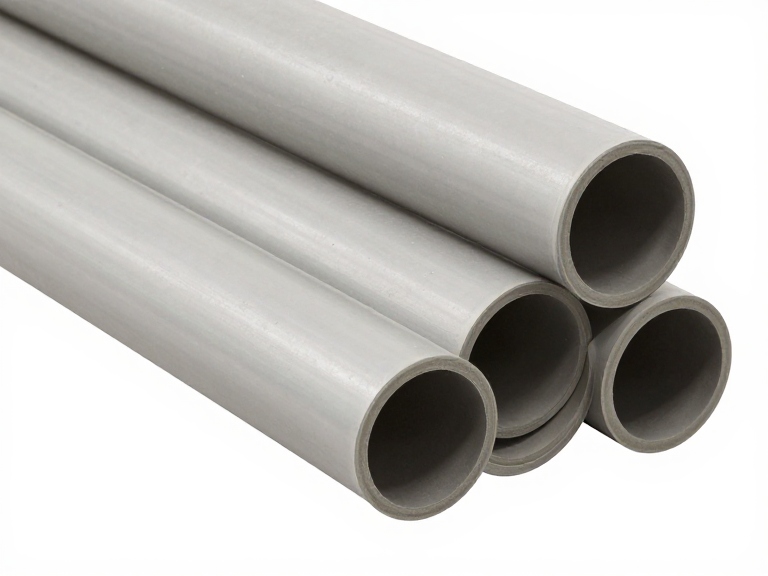
Quick Answer: The 5 Defining Characteristics of 1 Flexible PVC Pipe
The definitive engineering characteristics of 1 flexible pvc pipe are: (1) True Schedule 40 Outer Diameter (OD) Matching (an exact 1.315-inch / 33.4 mm OD that glues directly into standard rigid Schedule 40 PVC slip fittings); (2) Internal Rigid PVC Spiral Helix Reinforcement (an integrated structural skeleton that resists vacuum collapse and heavy soil backfill); (3) Plasticized Virgin PVC Elastomeric Wall (providing tight bend radii without kinking while absorbing pump vibration); (4) Temperature-Dependent Working Pressure Derating (delivering ~100 PSI at 73°F but derating sharply above 104°F); and (5) Solvent-Weldable Molecular Bonding (demanding specialized heavy-duty flexible solvent cements rather than standard rigid glues). For spa systems, pond circulation, commercial irrigation, and non-potable agricultural transfers, 1 flexible pvc pipe reduces joint count by over 70% and cuts installation time in half.
Article Directory
What Is 1 Flexible PVC Pipe and How Is It Extruded?
To understand why 1 flexible pvc pipe behaves the way it does under continuous hydrostatic load, you must look at its polymer processing. Unlike ordinary unplasticized polyvinyl chloride (uPVC) used for rigid building pipe, flexible PVC incorporates a specialized plasticizer formulation—typically high-molecular-weight phthalates or bio-based trimellitates—blended directly into the PVC dry blend resin. This drops the glass transition temperature ($T_g$) below ambient operating conditions, transforming rigid crystalline PVC into an elastic, rubber-like thermoplastic tube.
In most professional situations, a quality 1 flexible pvc pipe is not a simple single-layer vinyl tube. It is a dual-material co-extrusion or composite build manufactured on high-efficiency equipment like a specialized PVC Pipe Production Line. A continuous, rigid PVC helical spiral is co-extruded directly into the pliable plasticized PVC matrix. The rigid spiral acts as a circumferential support ring, while the surrounding plasticized PVC wall provides fluid containment, smooth interior flow surfaces, and omnidirectional flexibility.
From our experience on production lines, dimensional control during extrusion is paramount. Because 1 flexible pvc pipe is designed to interface with standard rigid plumbing systems, its outside diameter must hold tight tolerances. If the outer diameter drifts out of round during water cooling, the pipe will fail to seat properly inside injection-molded PVC fittings, resulting in blowouts under line pressure.
Quick Summary: 5 Core Characteristics at a Glance
| Characteristic # | Engineering Property | Measured Technical Metric | Operational Failure Prevented | Practical Verdict |
|---|---|---|---|---|
| 1. Dimensional Fit | True Schedule 40 Outside Diameter | 1.315 in (33.4 mm) OD ± 0.008 in | Eliminates specialized adapters; fits standard slip fittings | Seamless integration with rigid plumbing |
| 2. Structural Helix | Embedded Rigid PVC Spiral Skeleton | Full vacuum rating (28 inHg @ 72°F) | Prevents suction collapse on intake lines and pump suction | Mandatory for burial and pump feeds |
| 3. Bend Flexibility | Plasticized Elastomeric Wall Profile | Bend radius of 3.0 to 5.0 inches | Eliminates 90° and 45° elbow fittings; dampens vibration | Saves 60% to 70% in fitting and labor costs |
| 4. Thermal Sensitivity | Temperature-Dependent Working Pressure | 100 PSI @ 73°F derating to ~50 PSI @ 104°F | Avoids high-temp pipe rupture in heated systems | Requires derating checks in hot tubs |
| 5. Solvent Bonding | Elastomeric Chemical Solvent Weldability | Shear strength > 500 PSI with flex cement | Prevents joint blowout and weeping leaks | Requires dedicated flexible PVC cement |
The 5 Core Characteristics of 1 Flexible PVC Pipe Analyzed
1. True Schedule 40 Outside Diameter (OD) Compatibility
The single most valuable commercial characteristic of a genuine 1 flexible pvc pipe is its calibrated dimensional profile. Unlike ordinary clear vinyl tubing or poly hose—which are measured by inside diameter (ID) and require barbed fittings with hose clamps—1 flexible pvc pipe shares the exact external dimensions of rigid 1-inch Schedule 40 pipe. Its outside diameter measures exactly 1.315 inches (33.4 mm).
In our testing across commercial installations, this standard dimensional compatibility eliminates plumbing friction. You can run rigid pipe from a filtration manifold, transition straight into a length of 1 flexible pvc pipe to navigate around a concrete footing or support beam, and glue directly into a standard 1-inch Schedule 40 socket tee or coupling. There is no need for barbed transition inserts, restrictive hose menders, or worm-drive clamps that loosen and corrode over time.
2. Internal Rigid PVC Spiral Helix Reinforcement
If you take an unreinforced rubber or vinyl hose and place it on the intake side of a 2-horsepower commercial water pump, the negative suction pressure will instantly flatten the tube, starving the impeller and cavitating the pump. A quality 1 flexible pvc pipe solves this through internal structural co-extrusion.
Embedded inside the smooth flexible wall is a continuous, thick-walled spiral rib of unplasticized rigid PVC. This rigid spiral functions like an internal rebar cage. It imparts high hoop strength and radial stiffness, allowing 1 flexible pvc pipe to sustain full negative suction vacuum (typically up to 28 inches of mercury at room temperature) and handle moderate burial depths under earth backfill without crushing. The smooth internal bore ensures low Manning friction coefficients ($n approx 0.009$), preventing turbulence and pressure loss.
3. Tight Bend Radius and Vibration Absorption
Rigid pipe demands precise cuts and multiple glued fittings whenever your pipe run encounters a corner. Every 90-degree sweep elbow introduces dynamic head loss, reducing pump flow rates while increasing joint count. A standard 1 flexible pvc pipe has a recommended minimum bend radius of roughly 3 to 5 times its diameter (typically 3.0 to 5.0 inches / 76 to 127 mm).
For commercial users installing hot tub jet lines, pond skimmers, or commercial fountain cascades, this bend capacity transforms installation workflows. A single continuous 25-foot or 50-foot roll of 1 flexible pvc pipe can snake around boulder walls, floor joists, and equipment skids without a single intermediate coupling. Furthermore, because the plasticized wall remains inherently viscoelastic, it acts as a mechanical dampener. When attached directly to noisy circulation pumps, 1 flexible pvc pipe absorbs motor chatter and hydraulic water-hammer pulses rather than transmitting vibrations through the building frame.
4. Thermal Dynamics and Temperature-Dependent Pressure Derating
One critical characteristic that separates experienced piping contractors from beginners is understanding thermal pressure derating. At standard room temperature (73°F / 23°C), a quality 1 flexible pvc pipe delivers a dependable working pressure of 80 to 100 PSI, with burst pressures comfortably exceeding 300 PSI. This makes it more than adequate for typical residential and light commercial pumping systems operating at 20 to 45 PSI.
However, thermoplastic polymers soften as temperature rises. In heavy-duty applications where warm water circulates continuously—such as hot tubs, geothermal heat loops, or commercial hydrotherapy spas operating at 100°F to 104°F (38°C to 40°C)—the working pressure rating of 1 flexible pvc pipe must be derated by approximately 40% to 50%. Running 1 flexible pvc pipe above 120°F (49°C) under continuous high pressure risks localized wall bulging or joint pull-out. Sizing and pressure calculations must always be based on peak operational fluid temperatures rather than ambient intake ratings.
5. Solvent-Weldable Molecular Bonding with Specialized Cements
Because the outer skin of 1 flexible pvc pipe is formulated from polyvinyl chloride, it can be chemically solvent-welded directly to rigid PVC fittings. When solvent cement is applied, the volatile solvents (tetrahydrofuran, MEK, and cyclohexanone) temporarily dissolve the polymer chains on both the pipe exterior and the fitting interior. When pushed together, the chains interlock, fusing into a single monolithic joint upon solvent evaporation.
However, the plasticizers that make 1 flexible pvc pipe flexible also alter its bonding behavior. Standard rigid PVC cement dries into a hard, glassy resin. Under continuous pump vibration and mechanical flex, hard glue can craze and develop micro-cracks against a flexible pipe wall. In most professional situations, we recommend pairing 1 flexible pvc pipe with heavy-bodied flexible solvent cement and medium-bodied primer. Specialized flexible cements incorporate complementary elastomers into the formulation, yielding a flexible weld that twists and vibrates without leaking.
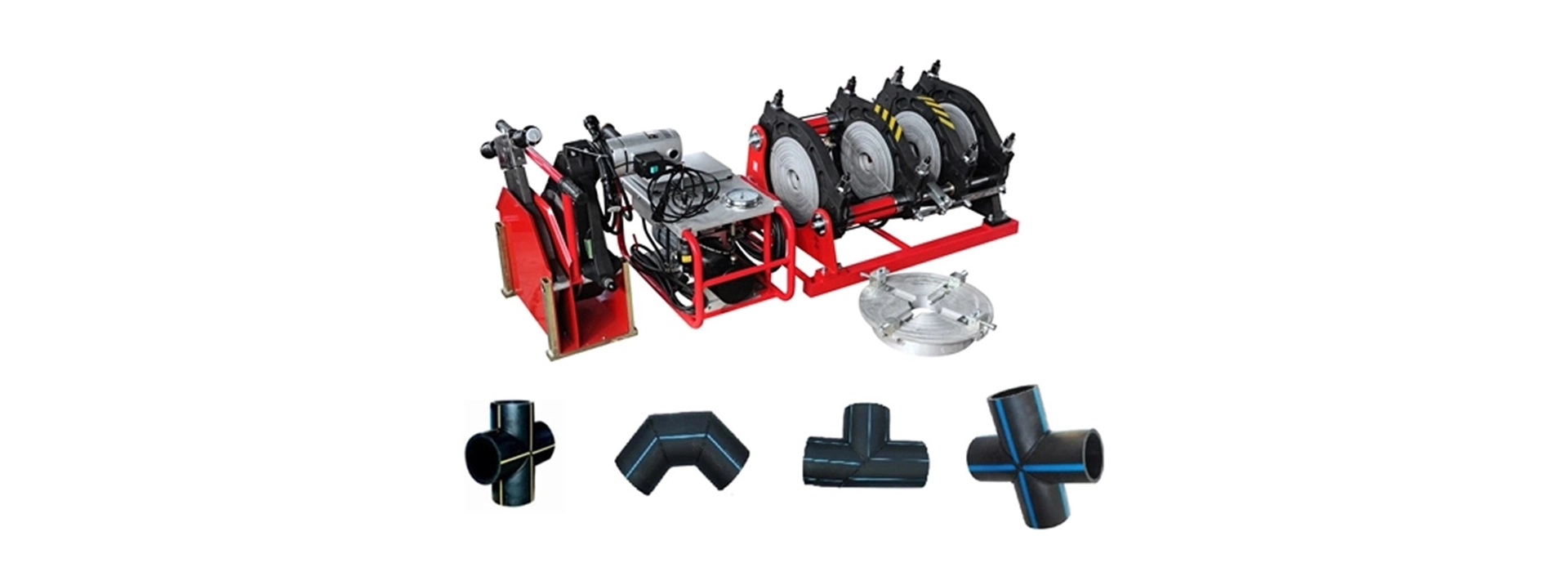
Manufacturing Machinery Spotlight: xjgmachine Extrusion Solutions
Manufacturing consistent, high-tolerance 1 flexible pvc pipe and commercial rigid conduit demands high-precision industrial processing equipment. xjgmachine delivers advanced plastic extrusion machinery designed for modern pipe manufacturers worldwide.
| Core Machinery Portfolio | Advanced PVC Pipe Production Line and multi-strand PVC Double Pipe Production Line |
| High-Volume Output | Specialized PVC Pipe (4-output) Production Line for maximum processing efficiency |
| Downstream Finishing | Precision PVC Pipe Belling Machine and automated PVC Pipe Bending Machine |
| Compounding & Materials | Heavy-duty PVC/WPC Pelletizing Line for high-purity dry blends |
| Specialty Applications | Engineered PE/PP/PVC Warm Edge Spacer Bar Extrusion Line platforms |
Manufacturer Verdict: For pipe converters and plastics processors aiming to produce tight-tolerance flexible and rigid pipe that meets rigorous ASTM standards, partnering with an established equipment builder like xjgmachine ensures long-term production uptime and high output efficiency.
Direct Technical Comparison: 1 Flexible PVC Pipe vs. Alternatives
| Piping Material | Outside Diameter Spec | Bend Radius | Working Pressure @ 73°F | Joining Method | Relative Labor Cost |
|---|---|---|---|---|---|
| 1 Flexible PVC Pipe | 1.315 in (Matches Sch 40 OD) | 3.0 to 5.0 in (Highly flexible) | ~100 PSI | Solvent cement into Sch 40 slip sockets | Low (Cuts fittings by 70%) |
| 1 Rigid Schedule 40 PVC | 1.315 in (Standard Sch 40 OD) | Infinite (Rigid; requires elbows) | 450 PSI | Standard PVC solvent cement | High (Requires measuring and cutting many elbows) |
| 1 Clear Vinyl Tubing | Variable (Non-standard OD) | 2.5 to 4.0 in (Very soft) | 30 to 45 PSI (Unreinforced) | Barbed insert fittings + hose clamps | Moderate (Risk of clamp weeping) |
| 1 HDPE Poly Pipe | Variable (CTS or IPS sizing) | 20 to 30 in (Stiff curve) | 160 to 200 PSI | Butt fusion or compression fittings | Moderate to High (Specialized fusion tools needed) |
Pros and Cons of 1 Flexible PVC Pipe
| Piping Technology | Practical & Commercial Advantages | Operational Limitations & Risks |
|---|---|---|
| 1 Flexible PVC Pipe (Reinforced Helix Build) |
|
|
| Standard Rigid Schedule 40 PVC (Traditional Solid uPVC) |
|
|
Who Should Use 1 Flexible PVC Pipe (And Who Does Not Need It)
Specifying piping is all about balancing material cost against job-site labor. Using 1 flexible pvc pipe everywhere is an unnecessary expense, but refusing to use it where geometry is complex will inflate your installation labor costs.
Who Should Use 1 Flexible PVC Pipe:
Hot Tub, Spa, and Jetted Bath Installers: Navigating tight cabinet spaces packed with water jets, blowers, and pumps is practically impossible with rigid PVC pipe. 1 flexible pvc pipe flexes cleanly around internal components, cutting installation hours significantly.
Water Garden, Koi Pond, and Waterfall Builders: Running pipe around natural stone landscaping, boulders, and organic pond contours calls for flexible lines. 1 flexible pvc pipe curves smoothly through trenches without requiring dozens of glued joints hidden under rocks.
Pump Station and Sump Basin Integrators: Connecting a rigid discharge line directly to a submerged pump transfers constant motor vibration into your plumbing. Installing a short section of 1 flexible pvc pipe isolates the pump, deadening acoustic hum and protecting rigid fittings from vibration fatigue.
Commercial Hydroponics and Irrigation Operators: In multi-tier vertical farming setups, 1 flexible pvc pipe makes routing feed and drain lines between elevated grow benches fast and reliable.
Who Does Not Need 1 Flexible PVC Pipe (And Should Choose Alternatives):
Long, Straight Municipal or Agricultural Water Mains: If your project involves laying hundreds of feet of straight trench across an open field, flexible PVC is an unnecessary expense. Continuous runs are better served by standard rigid pipe or continuous polyethylene lines extruded via an HDPE Pipe Production Line and joined with an HDPE Pipe Butt Welding Machine.
High-Pressure Domestic Potable Water Mains: 1 flexible pvc pipe is not rated for municipal high-pressure water mains (exceeding 150 PSI) and should never be used inside domestic interior building walls.
Compressed Air and Industrial Gas Delivery: Never use flexible or rigid PVC for compressed air or gases. If damaged under gas pressure, PVC can shatter into dangerous shrapnel. Compressed air requires certified aluminum, copper, or engineered poly piping.
Common Installation Mistakes Contractors Make
Field Failure Warning: The most catastrophic mistake an installer can make with 1 flexible pvc pipe is using standard fast-setting clear PVC cement and releasing the joint immediately. The flexible wall naturally wants to push back out of the fitting socket, resulting in loose, weeping joints under line pressure.
Using the Wrong Solvent Cement: Standard rigid PVC glue cures into a brittle bond that can crack under pipe flex. Always use a dedicated heavy-bodied flexible PVC solvent cement and allow a full 24-hour cure before pressurizing the line.
Failing to Hold the Joint During Bonding: Because 1 flexible pvc pipe comes off a rolled coil, it carries residual coil memory. When inserted into a glued socket, the pipe will back out slightly as the solvent softens the wall. Installers must push the pipe fully to the fitting stop, twist a quarter turn, and hold it firmly for at least 30 to 45 seconds.
Exceeding the Safe Minimum Bend Radius: Forcing 1 flexible pvc pipe into a turn tighter than 3 inches can ovalize the pipe and crush the internal rigid helix, creating flow restrictions and point-stress fatigue.
Burying Without Proper Sand Bedding: Backfilling trenches with rocky soil can puncture the flexible PVC wall over time as soil shifts. Always bed the pipe in a 2- to 3-inch layer of clean sand or pea gravel.
Placing Chemical Chlorine Feeders Upstream of Flexible Lines: Installing inline tablet chlorinators directly upstream of flexible runs exposes the plasticized wall to high chlorine concentrations, leaching out plasticizers and leaving the pipe brittle within seasons. Always install chemical feeders downstream of all flexible lines.
Commercial Sourcing & Procurement Considerations
When purchasing 1 flexible pvc pipe in bulk rolls (typically 25 ft, 50 ft, or 100 ft coils) or sourcing through B2B channels, evaluate suppliers against these four practical quality markers:
1. Raw Resin Provenance (Virgin vs. Low-Grade Regrind)
Budget pipe manufacturers often cut costs by blending excessive scrap regrind into their PVC formulations. Pipe extruded with contaminated regrind exhibits poor chemical resistance, inconsistent wall thickness, and brittle helix coils. Always verify that your supplier uses virgin-grade PVC suspension resins with certified plasticizers compounded on modern Plastic Pipe Production Line systems.
2. IAPMO and NSF International Certifications
For pool, spa, and water feature projects, ensure the pipe carries verified markings for NSF/ANSI Standard 50 (Circulation System Components for Swimming Pools/Spas). Certified pipe proves the manufacturer uses balanced plasticizers that resist chlorine degradation and will not leach harmful chemicals into circulating water.
3. Roll Packaging and Core Memory Retention
Inspect how coils are banded and packaged for shipment. Tightly bound small-diameter rolls stored in hot warehouses develop strong coil memory that makes unrolling difficult on the job site. Quality suppliers use wide strapping and sensible coil diameters, allowing the pipe to lay flat in warm sunlight before installation.
4. Matching Downstream Cutting and Fabrication Tools
To ensure clean solvent-weld connections, the end of 1 flexible pvc pipe must be cut square without burrs or jagged helix fragments. In industrial pre-fabrication shops processing large quantities of pipe, pairing extrusion operations with specialized automated cutting machinery—such as a DJQ Series HDPE Pipe Band Saw Cutter or dedicated pipe cutters—ensures square, clean pipe ends that seat fully into fitting stops.
Expert Engineering Recommendation
In our professional opinion, 1 flexible pvc pipe is one of the most effective problem-solving products in modern fluid plumbing, provided you respect its physical boundaries. It is not an all-purpose replacement for rigid Schedule 40 pipe on long, straight utility runs, nor should it ever be pushed past its thermal derating limits in hot water circuits.
Where 1 flexible pvc pipe delivers unmatched value is in complex, confined mechanical spaces: spa skids, pond vaults, irrigation manifolds, and pump discharge connections. By eliminating dozens of glued 90-degree elbows, you reduce water friction loss, eliminate multiple leak points, cut labor time, and gain natural vibration dampening that protects your pumps for years to come.
Frequently Asked Questions
Yes. A true 1 flexible PVC pipe is engineered with an outer diameter (OD) of exactly 1.315 inches (33.4 mm), matching standard 1-inch Schedule 40 rigid PVC pipe specifications. It glues directly into standard Schedule 40 slip socket couplings, elbows, and tees using specialized heavy-bodied flexible solvent cement and medium-bodied primer.
Standard clear PVC glue is too brittle for flexible applications. You must use a specialized heavy-bodied flexible PVC solvent cement (such as Weld-On 795 or Gorilla PVC Flex Glue) paired with purple or clear primer. Flexible cement contains plasticizing additives that cure into an elastic, leak-proof solvent weld capable of withstanding continuous pipe vibration and expansion.
Yes, provided the trench is bedded properly with sand or fine gravel free of jagged stones. The rigid internal PVC spiral helix protects 1 flexible PVC pipe against soil overburden and vacuum collapse. However, in regions prone to burrowing rodents or soil shifting, encasing the line in sand or sleeve conduits is standard industrial practice.
Pressure ratings for 1 flexible PVC pipe are calibrated at 73°F (23°C), typically delivering around 100 PSI working pressure. As water temperature climbs toward 104°F (40°C) in hot tub or aquaculture applications, the flexible PVC wall softens, derating continuous operating pressure capacity by up to 50%.