The post-consumer polyethylene terephthalate (PET) market has shifted from a waste management afterthought to a highly lucrative global commodity. However, unlocking that profitability requires navigating a minefield of equipment choices. From our experience at Xjgmachine, installing the wrong Plastic Bottle Recycling Machines will not just eat your capital; it will destroy the intrinsic viscosity (IV) of your plastic flakes, rendering your end product virtually unsellable to high-end manufacturers.
In most professional situations, a standard, off-the-shelf shredder is completely inadequate for processing PET bottles. To achieve food-grade quality or prepare materials for integration into a Plastic Pipe Production Line, you need a finely tuned, cost-effective processing system. You are not just reducing the size of plastic; you are chemically and mechanically purifying it. Xjgmachine offers a comprehensive range of Plastic Processing Equipment that includes cutting-edge technology and high-quality machines. Our equipment is suitable for various plastic processing applications, prioritizing durability, efficiency, and user-friendliness.
This guide cuts through the sales jargon. We will explain exactly what machines you need, how they work together, and whether certain upgrades are actually worth your investment.
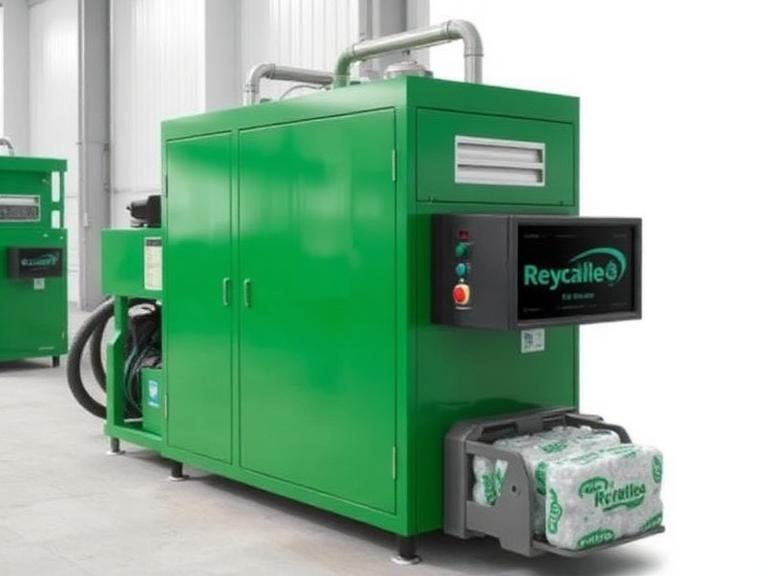
If you are looking to build or upgrade a recycling facility, you do not necessarily need a multi-million-dollar European system to achieve premium flake quality. A cost-effective setup relies on these six critical machine modules to maximize ROI while maintaining strict purity standards:
| Machine Type | Primary Function | Commercial Verdict |
|---|---|---|
| Turnkey PET Washing Line | Complete automated processing | Highly recommended for commercial users. |
| High-Torque Plastic Crushers | Size reduction with minimal fines | Mandatory. Must use high-grade steel blades. |
| Hot Washing Tanks | Chemical removal of glue and oil | Essential. Skipping this ruins flake value. |
| High-Speed Friction Washers | Mechanical scrubbing of dirt | Worth buying for high-throughput lines. |
| Sink-Float Separation Tanks | Separating PET from PP/PE caps | Non-negotiable for purity compliance. |
| Plastic Pulverizer Machines | Reducing flakes to fine powder | Excellent upgrade for specialized extrusions. |
Plastic Bottle Recycling Machines refer to a series of interconnected industrial mechanical systems designed to take baled, post-consumer PET bottles and transform them into clean, pure, and uniform plastic flakes or pellets. These flakes are then sold as raw material (Post-Consumer Resin, or PCR) to manufacture new bottles, textiles, or construction materials.
How it works is a masterclass in sequential separation. First, a bale breaker opens the compacted bottles. A trommel removes loose dirt and rocks. The bottles enter a Plastic Crusher where heavy-duty rotary blades slice the bottles into 12mm to 18mm flakes. Next, the flakes undergo a series of washing phases—most critically a hot wash with caustic soda to dissolve glues from labels. Finally, the material passes through a sink-float tank where the heavier PET sinks, while the lighter PP/PE from the bottle caps floats away. A centrifugal dryer then removes moisture before bagging.
From our experience, running outdated Plastic Bottle Recycling Machines is a fast track to bankruptcy. Modern systems offer substantial commercial benefits that directly impact your bottom line. Upgrading to a specialized Plastic Recycling Machine drastically reduces your OPEX (Operating Expenses) while elevating your product tier.
| Pros of Modern Recycling Machines | Cons of Modern Recycling Machines |
|---|---|
| Produces high-value, food-grade capable PET flakes. | Requires higher initial capital expenditure. |
| Automated sorting reduces expensive manual labor costs. | Requires a consistent supply of clean water and electricity. |
| Advanced friction washing reduces chemical consumption. | Operators need technical training for PLC control systems. |
| Minimizes material loss by reducing "fines" (plastic dust). | Requires substantial floor space for a linear setup. |
The single biggest mistake in the recycling industry is treating all plastics the same. PET and PVC look identical to the naked eye, but they are mortal enemies in the recycling process. If a PVC bottle slips into your PET line, it will burn during the extrusion process, turning the entire batch black and releasing corrosive hydrochloric acid gas.
Another common mistake we see is using dull blades in the crushing phase. When blades are not sharpened or properly gapped, they tear the plastic instead of slicing it. This creates excessive friction, heating the plastic and generating "fines"—tiny particles of plastic dust that are washed away in the water tanks, literally flushing your profits down the drain. For heavy-duty applications, we recommend checking blade gaps every single shift.
.jpg "Who_Should_Use_These_Machines_(And_Who_Does_Not_Need_Them).jpg")
Who Should Use It: We recommend cost-effective Plastic Bottle Recycling Machines for commercial Material Recovery Facilities (MRFs), dedicated plastic recyclers, and manufacturers looking for vertical integration. For instance, if you operate a PVC Pipe Production Line and want to incorporate recycled core layers to lower raw material costs, investing in your own localized recycling setup is a brilliant economic move.
Who Does Not Need It: Small-scale retail stores, office complexes, or municipal collection centers do not need washing and crushing lines. If you are just trying to manage waste volume, you need a standard baler to compact the bottles for transport, not a full recycling plant.
Do not be fooled by raw throughput numbers. A machine claiming to process 2,000 kg/hour is useless if the resulting flakes are heavily contaminated with label glue. In our testing, professionals evaluate machines based on the following criteria.
| Evaluation Criteria | What Professionals Look For | Why It Matters |
|---|---|---|
| Blade Metallurgy | D2, SKD-11, or Tungsten Carbide tipped blades. | Prevents rapid dulling, reduces downtime for blade changes, and limits "fines." |
| Heating Efficiency | Steam heating vs. direct electric heating in hot washers. | Steam is vastly more cost-effective for maintaining the required 85°C to 90°C wash temperatures. |
| Water Filtration | Closed-loop water recycling systems. | Without water recycling, local municipalities will shut down your plant due to wastewater violations. |
| Automation Level | Siemens or Schneider PLC touch-screen controls. | Allows one operator to manage the entire line, drastically cutting labor costs. |
To build a profitable operation, you need a combination of specific machinery. Xjgmachine designs and manufactures these components to integrate seamlessly, ensuring high throughput and maximum flake purity. Here are the 6 essential, cost-effective machines that make up a world-class recycling line.
For commercial users who want an all-in-one solution without the headache of matching disparate components, Xjgmachine’s turnkey PET bottle washing line is the industry standard for cost-effectiveness. It handles everything from de-baling to the final bagging of dried flakes. By keeping the manufacturing under one roof, we ensure that the conveyors speed-match the crushers, preventing bottlenecks.
Watch our PET Bottle Recycling Machine in action to see how seamless the integration truly is:
The crusher is the heart of any recycling plant. Cost-effective does not mean cheap; it means durable. Our crushers feature a v-shaped rotor design that draws bottles into the center of the cutting chamber, preventing material from building up on the sidewalls. This drastically reduces wear on the bearings and lowers the amperage draw on your electrical grid.
You cannot produce high-grade PET flakes with cold water alone. Hot washing tanks utilize a mixture of hot water (around 90°C) and chemical detergents (caustic soda) to break down stubborn adhesives used on bottle labels. A cost-effective hot washer features heavy-duty thermal insulation to prevent heat loss, ensuring your energy bills remain low while maintaining the violent agitation needed to scrub the flakes clean.
Following the hot wash, the flakes enter the friction washer. Operating at over 1,000 RPM, this inclined cylindrical machine uses a high-speed rotor to mechanically beat the softened glue and dirt off the flakes. The centrifugal force pushes the contaminants through a specialized screen while the clean PET moves forward. From our experience, an optimized friction washer is the single best tool for lowering the final PVC and dirt ppm count.
Plastic Bottle Recycling Machines rely on basic physics to sort materials. PET has a density greater than 1 g/cm³ (it sinks in water), while the HDPE and PP used for bottle caps and rings have a density of less than 1 g/cm³ (they float). A long, cost-effective sink-float tank uses rotating paddles to agitate the water, skimming the floating caps off the top while screw conveyors drag the pure PET flakes from the bottom.
While most PET recycling ends at the flake stage, some advanced manufacturing processes require the material to be reduced further. A Plastic Pulverizer Machine takes the clean flakes and grinds them into a fine micro-powder. This is particularly useful for rotomolding applications or for blending recycled material seamlessly into secondary product lines, such as components made alongside a PVC Pipe Belling Machine setup.
| Machine Module | Energy Consumption | Maintenance Requirement | Impact on Flake Quality |
|---|---|---|---|
| Turnkey PET Line | High (Total System) | Moderate (Systematic checks) | Maximum (Guarantees uniformity) |
| Plastic Crusher | High (Spike loads) | High (Frequent blade sharpening) | High (Determines flake size/fines) |
| Hot Washing Tank | Medium (Thermal energy) | Low (Bearing lubrication) | Critical (Removes glues) |
| Friction Washer | Medium (High RPM motor) | Medium (Screen replacements) | High (Removes surface dirt) |
| Sink-Float Tank | Low | Low (Water changes) | Critical (Removes PP/PE caps) |
In our testing, the difference between a highly profitable recycling business and a struggling one comes down to preventative maintenance and material screening. We recommend installing an optical sorter or an eddy current separator *before* the crushing phase. Removing aluminum cans, PVC bottles, and colored PET before they hit the crusher will save your blades and ensure your final flake batch commands the highest market price.
Furthermore, if you are a manufacturer looking to close the loop on your own waste, investing in these systems is a hedge against volatile raw material prices. The equipment provided by Xjgmachine is designed and manufactured to meet the exact demands of modern plastic production, allowing you to achieve your sustainability and production goals with ease.
In most professional situations, a standard 1,000 kg/hr PET washing line requires a linear footprint of at least 30 to 40 meters, and a width of 5 to 8 meters. You must also account for ample storage space for incoming bales and outgoing super sacks of clean flakes.
Water alone, even at boiling temperatures, cannot dissolve the aggressive industrial adhesives used to attach labels to PET bottles. We recommend using a 2% to 3% concentration of caustic soda (NaOH) combined with a mild detergent to chemically break down the glue, ensuring it does not re-adhere to the plastic flakes.
Absolutely not. While you can use the same machinery (like a crusher or friction washer) for different plastics on different days, they must be thoroughly cleaned between runs. Processing PVC and PET simultaneously will completely ruin the batch, as they have different melting temperatures and PVC releases corrosive gases when subjected to PET extrusion temperatures.
To guarantee operational excellence and compliance with international environmental directives, we advise consulting the frameworks established by the following authoritative industry organizations:
The Association of Plastic Recyclers (APR) – Provides the definitive Design for Recyclability Guidelines, detailing how adhesives and bottle caps impact mechanical recycling machinery.
U.S. Environmental Protection Agency (EPA) – Offers comprehensive data on solid waste management, plastics reduction, and the environmental metrics required for safe wastewater treatment in recycling facilities.
ASTM International – Publishes the standard specifications (such as ASTM D7611) for coding plastic manufactured articles, which dictates the separation technologies required in modern recycling plants.


 English
 العربية
 русский
 Español
 français
 português
 Deutsch
 italiano
 Türkçe
 한국어
한국어 日本語
日本語