Polycarbonate (PC) is the undisputed heavyweight champion of engineering thermoplastics. Boasting impact resistance 250 times greater than glass and maintaining supreme optical clarity, it is the lifeblood of aerospace components, automotive headlamps, medical devices, and architectural glazing. However, transforming raw polycarbonate pellets into flawless profiles or sheets is a highly volatile engineering challenge. It is a moisture-sensitive, highly viscous material that requires exceptional thermal management. If you partner with an inferior vendor or utilize substandard machinery, your profiles will suffer from bubbling, yellowing, and catastrophic brittleness.
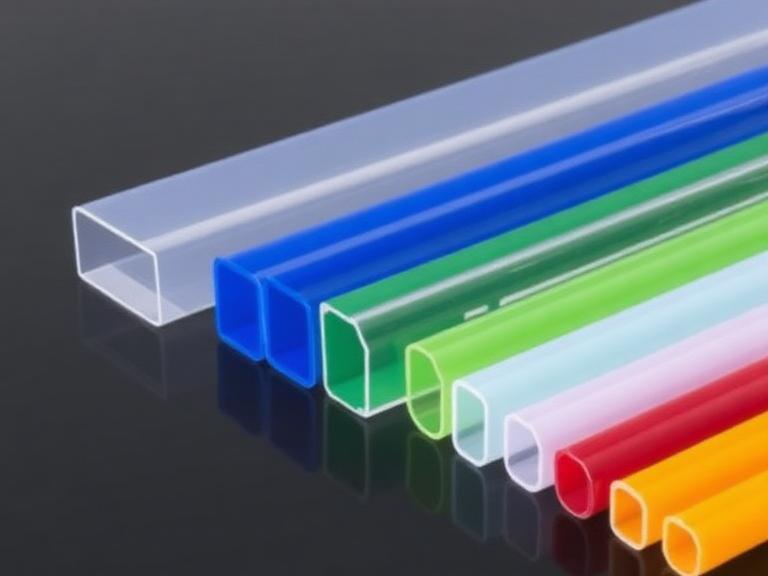
From our experience engineering advanced plastic processing machinery at Xjgmachine, we routinely encounter commercial buyers bleeding capital because they either chose a toll manufacturer that overcharges for basic profiles, or they attempted to bring production in-house using the wrong equipment. In this uncompromising guide, we take a clear position: you must understand the commercial landscape of custom extrusion services versus OEM machinery investments. We will review the top polycarbonate extrusion manufacturers, dissect the science of PC extrusion, and explain whether you should outsource your production or invest in your own Plastic Extruder infrastructure.
If you are looking to source high-quality polycarbonate profiles, sheets, or the machinery to produce them yourself, these are the top 6 polycarbonate extrusion manufacturers globally:
Plaskolite: The global behemoth for outsourced high-volume polycarbonate sheet manufacturing.
Palram Industries: The premier choice for construction-grade and multi-wall architectural PC profiles.
Brett Martin: Specialists in massive-scale transparent roofing and glazing extrusions.
Lakeland Plastics: Highly recommended for custom 3D profile toll extrusion and rapid prototyping in North America.
Preferred Plastics: The go-to for automotive and heavy-duty commercial custom profile outsourcing.
Xjgmachine: The ultimate OEM equipment manufacturer for companies wanting to bring polycarbonate extrusion in-house to maximize profit margins and control lead times.
In most professional situations, we recommend outsourcing only for short-term prototype runs. For long-term, high-volume manufacturing, acquiring an SJ Single Screw Extruder from Xjgmachine reduces your unit cost by up to 60% compared to paying toll manufacturing margins.
Polycarbonate extrusion is a continuous manufacturing process where solid polycarbonate resin pellets are melted and forced through a custom-machined steel die to form a continuous shape (a profile, sheet, or tube). Because polycarbonate is an amorphous thermoplastic, it does not have a sharp melting point. Instead, it softens gradually, requiring robust machinery capable of handling exceptionally high melt viscosities compared to standard commodity plastics like PVC or PE.
While companies utilizing a SJSZ Conical Twin Screw Extruder often dominate the PVC market, polycarbonate demands specialized single screw architecture designed to minimize shear heat while achieving a perfect melt homogeny. If the extrusion process is handled correctly, the resulting product is virtually unbreakable.
Extruding polycarbonate is unforgiving. The process strictly follows these highly controlled phases:
Desiccant Drying (The Critical Step): Polycarbonate is highly hygroscopic. If it is not dried to a moisture content below 0.02% at 120°C for 4-6 hours, the moisture will turn to steam in the barrel, causing hydrolysis. This literally breaks the polymer chains, resulting in brittle, cloudy products with silver streaks (splay).
Feeding and Melting: The dried pellets enter the feed throat of an extruder. The barrel is heated to extreme temperatures, typically between 260°C and 320°C.
Screw Design and Pumping: Unlike standard setups, a PC screw features a lower compression ratio (usually 2.5:1) to prevent excessive shear stress that can yellow the plastic. The screw pushes the viscous melt forward.
Die Forming and Calibration: The melt is forced through the die. Because PC holds heat intensely, it enters a vacuum sizing calibrator where chilled water instantly freezes the outer skin, holding the precise dimensions.
This identical high-heat, precision calibration logic applies when we engineer lines for other complex polymers, such as the PA66 GF25 Polyamide Profile Thermal Break Strip Extrusion Line.
When executing a cost-benefit analysis for your procurement strategy, you must decide whether to outsource to a custom profile extruder or buy the equipment to manufacture in-house. Here is our commercial breakdown of the industry leaders.
Plaskolite is a titan in the extruded sheet sector. If your commercial application requires thousands of square feet of flat, optical-grade polycarbonate sheeting for architectural glazing or retail displays, they have the economy of scale to deliver. However, for intricate, custom, small-batch profiles, their heavy-duty infrastructure often results in cost-prohibitive tooling fees.
Palram practically invented the modern multi-wall polycarbonate sheet used in greenhouses and skylights. Their proprietary UV co-extrusion technology prevents the plastic from yellowing under prolonged sun exposure. They are an exceptional partner for commercial construction firms, but again, their focus is heavily tilted toward large-scale paneling rather than bespoke OEM components.
Based in the UK but operating globally, Brett Martin is the premier choice for corrugated polycarbonate roof lights. Their product consistency is legendary in the heavy-duty building materials sector. If you are an architect specifying stadium roofing, they are a primary contact.
If you need custom 3D profiles—such as specific LED light diffuser covers or data ticket holders—Lakeland Plastics is a premier toll manufacturer in the USA. They offer excellent engineering support to help design your die. The trade-off is the perpetual margin you pay on every foot of plastic they extrude for you.
Specializing in the automotive, marine, and RV sectors, Preferred Plastics handles complex co-extrusions (combining rigid PC with flexible materials). They are highly reliable for heavy-duty applications where dimensional tolerances are critical, though minimum order quantities (MOQs) can be a hurdle for startups.
At a certain scaling threshold, paying a 40% margin to Lakeland or Preferred Plastics becomes financial negligence. Xjgmachine does not extrude the plastic for you; we manufacture the elite, heavy-duty extrusion lines that allow you to bring production in-house. From standalone extruders to complete turnkey PE/PP/PVC Warm Edge Spacer Bar Extrusion Lines, our equipment empowers OEMs to seize total control of their supply chain, slash lead times, and monopolize their profit margins.
Why choose polycarbonate over acrylic or PVC? The commercial and physical benefits are absolute:
Extreme Impact Resistance: It is virtually unbreakable. It is used for bullet-resistant glass layering and riot shields.
High Heat Deflection: PC can maintain its structural integrity up to 130°C (266°F), far outperforming standard plastics.
Optical Clarity: Transmits up to 90% of visible light, making it the superior choice for LED housings and medical tubing.
Flame Retardancy: Inherently self-extinguishing, meeting strict UL 94 V-0 flammability ratings without heavy toxic additives.
We must exercise practical judgment: polycarbonate is not perfect. It has incredibly poor scratch resistance. If you are manufacturing an aesthetic consumer faceplate, it must be hard-coated post-extrusion, adding to your unit cost. Furthermore, it is highly susceptible to solvent attack; exposure to certain industrial cleaners or aromatic hydrocarbons will cause catastrophic stress cracking.
For commercial users: Polycarbonate is mandatory for aerospace interiors, automotive headlamp lenses, medical device housings, and heavy-duty architectural glazing. If human safety relies on the plastic not shattering upon impact, use PC.
Who does not need it: If you are manufacturing disposable consumer packaging, low-stress interior trim, or standard weather stripping, PC is a massive waste of capital. You should transition to cheaper alternatives and utilize equipment like an EPDM Rubber Seal Strip/Profile Extrusion Line or standard PVC extruders.
In our testing and machinery commissioning, the most frequent failure point is improper drying. Manufacturers attempt to rush the desiccant drying phase. If PC is extruded with even 0.05% moisture, the resulting profile will look like it has trapped soda bubbles. The mechanical strength will drop by 80%. You cannot cut corners on thermal preparation.
The second most common mistake is incorrect screw geometry. Attempting to extrude polycarbonate using a general-purpose screw designed for polyethylene will generate extreme shear heat, causing the PC to degrade, yellow, and carbonize in the barrel.
When deciding whether to use a toll manufacturer or buy your own machinery, calculate your annual volume. If you consume more than 50,000 meters of a specific profile annually, the Return on Investment (ROI) of purchasing an SJ Single Screw Extruder is typically realized in under 14 months. If your volume is highly erratic or seasonal, relying on the top 5 manufacturers listed above for outsourced production mitigates your capital risk.
| Manufacturer | Primary Specialty | Best For |
|---|---|---|
| Plaskolite | Flat Sheet Extrusion | High-volume architectural & retail displays. |
| Brett Martin | Corrugated & Roof Glazing | Commercial construction & agricultural roofing. |
| Lakeland Plastics | Custom Toll Extrusion | Bespoke 3D profiles and outsourced manufacturing. |
| Xjgmachine | Extrusion Machinery & Turnkey Lines | OEMs bringing production in-house to maximize margins. |
| Metric | Outsourcing (Toll Extrusion) | In-House (Buying Xjgmachine Equipment) |
|---|---|---|
| Initial Capital Expenditure | Low (Only pay for die tooling) | High (Purchasing extrusion line & chillers) |
| Unit Cost (Long Term) | High (Includes supplier's 30-50% profit margin) | Very Low (Only paying for raw resin and power) |
| Quality Control | Reliant on third-party QA | Absolute total control |
| Intellectual Property | Vulnerable (Supplier holds the die) | 100% Protected internally |
| Pros (Advantages) | Cons (Limitations) |
|---|---|
| Unmatched impact resistance (virtually unbreakable). | Highly prone to surface scratching without secondary hard-coating. |
| Exceptional high-temperature stability. | Requires massive energy consumption to dry and melt properly. |
| Glass-like optical transparency. | Susceptible to stress-cracking from solvents and strong alkalis. |
In most professional situations, handing over your core product manufacturing to a third-party toll extruder creates an unacceptable bottleneck. When global supply chains tighten, your outsourced profiles will be delayed, stalling your entire assembly line. We highly recommend taking control of your production destiny.
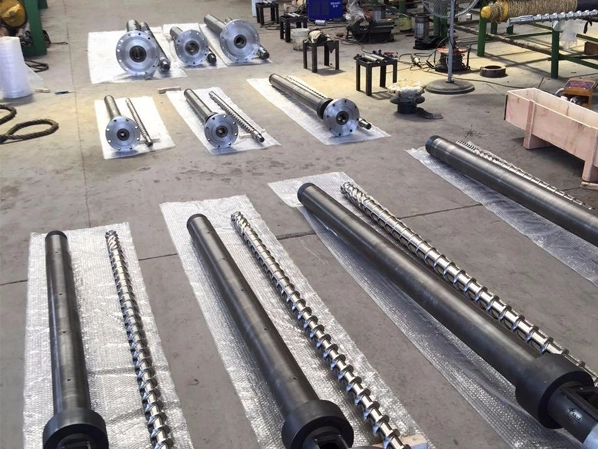
If your manufacturing floor also deals with elastomeric products, our engineering team can seamlessly integrate equipment like a Rubber Extrusion Line alongside your plastic processing infrastructure, giving you total command over your material outputs.
Yellowing is a direct result of thermal degradation. This occurs either because the barrel temperatures are set too high, the residence time of the plastic inside the barrel is too long, or the screw design is generating excessive shear heat. Proper screw geometry and strict temperature zoning are required to prevent this.
It depends on your annual volume. For short runs or prototyping, outsourcing to toll manufacturers is cheaper. However, if your continuous production requires tens of thousands of meters of profile annually, purchasing your own SJ Single Screw Extruder offers a Return on Investment (ROI) often realized in less than 18 months, drastically reducing your long-term unit costs.
No, we strongly advise against this. Polycarbonate requires processing temperatures around 280°C - 300°C. PVC degrades and releases toxic, corrosive hydrochloric acid gas at those temperatures. They require completely different screw designs (single screw for PC, typically conical twin screw for PVC) and dedicated machinery to prevent catastrophic cross-contamination.
To ensure our manufacturing protocols align with global engineering standards, we reference the following authorities:
ASTM International: Standards for testing the mechanical properties, impact resistance, and melt flow rates of polycarbonate resins (e.g., ASTM D3935). Visit ASTM International
UL Solutions: Global safety science leader providing the definitive UL 94 standards for the flammability of plastic materials used in parts and devices. Visit UL Solutions
Plastics Industry Association (PLASTICS): The only organization that supports the entire plastics supply chain, providing critical safety and operational guidelines for extrusion machinery. Visit Plastics Industry Association


 English
 العربية
 русский
 Español
 français
 português
 Deutsch
 italiano
 Türkçe
 한국어
한국어 日本語
日本語